
Discover top calcium carbonate grinding mills designed for ultrafine powder production with high efficiency energy savings and precise particle control.
Understanding Calcium Carbonate Properties and Grinding Requirements
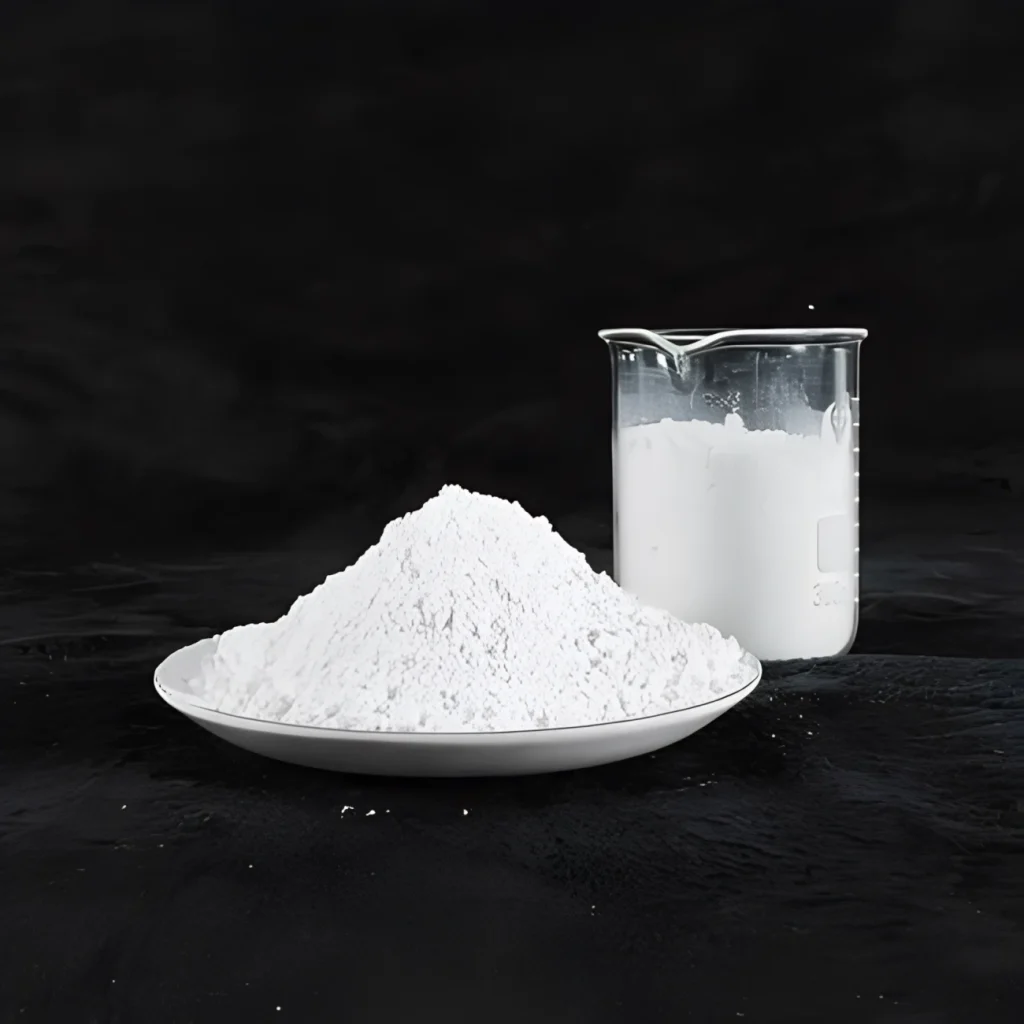
Calcium carbonate (CaCO3) is a widely used mineral found naturally in limestone, marble, chalk, and shells. Chemically, it’s a simple compound composed of calcium, carbon, and oxygen, making it stable, non-toxic, and versatile for many industries. Its natural abundance and chemical properties make it a popular choice for various commercial applications.
When grinding calcium carbonate, the particle size or mesh range is crucial. Different industries require specific particle sizes for optimal performance. For example:
- Construction and cement industries typically use coarser particles around 100-325 mesh for fillers and additives.
- Paints and coatings demand finer powders between 200-1000 mesh to ensure smooth texture and proper dispersion.
- Plastics and rubber manufacturing often needs ultrafine calcium carbonate powders above 1000 mesh to improve mechanical properties.
- Pharmaceuticals and cosmetics require the finest powders with controlled particle size distribution for safety and efficacy.
Here’s a quick industry usage comparison table:
| Industry | Typical Particle Size (Mesh) | Key Application |
|---|---|---|
| Construction | 100-325 | Fillers, cement additive |
| Paints & Coatings | 200-1000 | Pigments, texture enhancer |
| Plastics & Rubber | 400-1200 | Reinforcement, impact modifiers |
| Pharmaceuticals | 800-3000 | Excipients, fillers |
| Paper Industry | 200-500 | Brightness, opacity |
Understanding these requirements helps in selecting the right calcium carbonate grinding mill and processing conditions, ensuring the final product meets industry standards and client expectations.
Types of Calcium Carbonate Grinding Mills Pros Cons and Best Fits
When it comes to grinding calcium carbonate, choosing the right mill matters a lot. Here’s a quick look at popular types of calcium carbonate grinding mills, their strengths, weaknesses, and best use cases for U.S. customers.
Raymond Roller Mill
- Pros:
- High energy efficiency, good for medium-fine grinding (up to 325 mesh)
- Low operating cost
- Compact design saves factory floor space
- Cons:
- Limited to coarser powders compared to ultrafine mills
- Not ideal for very high throughput or superfine powder needs
- Best Fit: Limestone grinding, basic calcium carbonate processing with moderate particle size needs
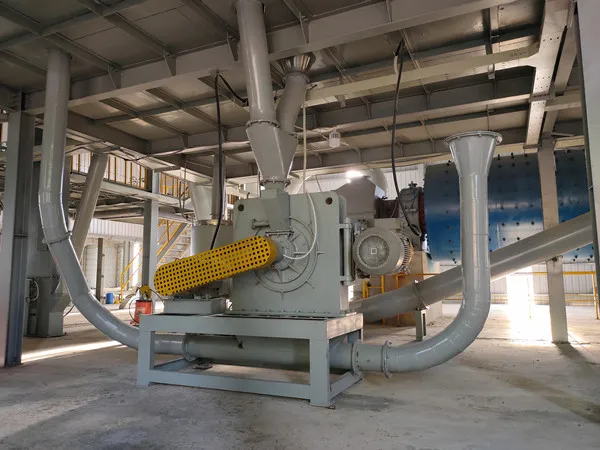
HGM Ultrafine Mill
- Pros:
- High throughput with excellent particle size distribution for superfine CaCO3 powder (up to 3000 mesh)
- Energy-efficient for ultrafine grinding
- Adjustable fineness for various industrial fillers
- Cons:
- Higher initial cost and maintenance complexity
- Best Fit: Industrial calcium carbonate filler production requiring ultrafine powder
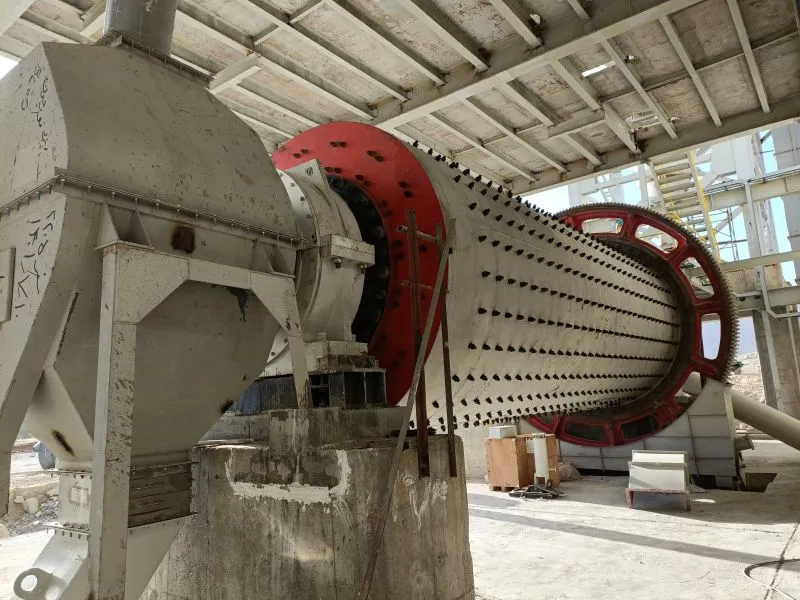
Ball Mill
- Pros:
- Versatile for dry and wet grinding
- Cost-effective for bulk production
- Good at grinding hard materials to fine powder
- Cons:
- Larger footprint and more power consumption than roller mills
- Can require more frequent maintenance due to wear
- Best Fit: Dry grinding calcium carbonate with flexibility and cost-saving in mind
Vertical Roller Mill
- Pros:
- Space-saving vertical design ideal for tight plants
- Good energy efficiency and large capacity
- Integrates grinding, drying, and classification in one unit
- Cons:
- Higher upfront investment
- More complex operation and maintenance
- Best Fit: Large-scale calcium carbonate production lines with limited space
Wet Grinding Mills
- Pros:
- Produces slurry, reducing dust and improving quality control
- Easier particle size control in liquid form
- Cons:
- Requires drying equipment after grinding
- Higher energy costs for drying step
- Best Fit: Applications needing slurry feedstock or specific moisture content
Comparison Matrix of Calcium Carbonate Grinding Mills
| Mill Type | Cost | Energy Efficiency | Particle Size Range | Space Needed | Maintenance | Best For |
|---|---|---|---|---|---|---|
| Raymond Roller Mill | Low | High | Medium (200-325 mesh) | Small | Low | Standard limestone grinding |
| HGM Ultrafine Mill | High | Moderate-High | Ultrafine (up to 3000 mesh) | Medium | Moderate | Ultrafine industrial filler |
| Ball Mill | Moderate | Moderate | Fine to medium | Large | Moderate | Flexible dry/wet grinding |
| Vertical Roller Mill | High | High | Fine to ultrafine | Small | Moderate | Large capacity with space limits |
| Wet Grinding Mills | Moderate | Low (due to drying) | Fine (slurry) | Medium | Moderate | Slurry production applications |
Choosing the right calcium carbonate grinding mill depends on what your operation needs in terms of particle size, energy use, facility space, and total cost. For U.S. producers, keeping energy efficiency and maintenance ease top of mind often leads to effective, sustainable calcium carbonate powder processing.
Key Factors for Selecting the Right Calcium Carbonate Grinding Mill
Choosing the right calcium carbonate grinding mill depends on several important factors. First, material hardness and moisture content play a big role. Harder or more abrasive CaCO3 requires a mill built to handle wear, while moisture levels affect whether you need dry or wet grinding equipment.
Next, consider your capacity and scalability needs. Are you producing a small batch or running a full-scale industrial calcium carbonate production line? Make sure the mill can handle your current volume and easily scale up as demand grows.
Energy efficiency and operating costs are also critical. Grinding mills like Raymond mills and ultrafine mills offer good energy savings, but it’s essential to balance power consumption with throughput and product quality.
Don’t overlook maintenance, durability, and warranty. A reliable mill should minimize downtime and be easy to service. Check for strong local support and extended warranties, especially if you plan to run it continuously.
Finally, environmental factors count a lot in the US market. Look for mills with dust control features and compliance with local regulations. Proper dust management protects your workers and avoids fines, keeping your operation clean and eco-friendly.
Step by Step Calcium Carbonate Grinding Process with EPIC Machinery
At EPIC Powder Machinery, we’ve streamlined the calcium carbonate grinding process to deliver consistent quality and efficiency. Here’s how it works from start to finish:
Crushing and Size Reduction
Before grinding, large chunks of raw calcium carbonate are crushed to a manageable size. This initial size reduction is crucial to prepare the material for finer milling and helps improve the overall efficiency of the grinding mill.
Milling with Grinding Aids
Next, the crushed CaCO3 moves into the grinding mill. We often use grinding aids to boost efficiency, reduce energy consumption, and prevent material clogging. Our mills—whether Raymond mill, ball mill, or ultrafine mill—are optimized for smooth processing and fine particle output.
Classification for Particle Size Control
After grinding, the powder passes through an air classifier or sieving system. This step ensures the final calcium carbonate powder meets precise particle size distribution requirements, ranging from 600 to 3000 mesh depending on your application—whether for industrial fillers, coatings, or specialty products.
Packaging and Storage Automation
Once the CaCO3 powder is classified, it’s automatically packaged using advanced machinery, reducing manual handling and contamination risks. Proper packaging also helps maintain material quality during transport and storage.
Process Flowchart Overview
Our integrated system moves calcium carbonate from crushing through milling, classification, and packaging seamlessly. This end-to-end process is designed for steady throughput, energy savings, and high product consistency.
For a closer look, check out our dry grinding impact mill technology, which pairs well with calcium carbonate production lines for enhanced performance.
Optimization Tips to Boost Efficiency and Reduce Costs in Calcium Carbonate Grinding
If you want to get the most out of your calcium carbonate grinding mill while keeping costs down, here are six practical strategies to consider:
- Use grinding aidsAdding small amounts of grinding aids can reduce energy consumption and improve mill output by preventing particle agglomeration. This helps achieve finer particle size distribution (PSD) with less power.
- Monitor particle size distribution (PSD) regularlyKeeping a close eye on PSD ensures consistent product quality and prevents over-grinding, which wastes energy and wears down equipment faster.
- Perform regular liner inspections and maintenanceWorn liners can reduce grinding efficiency and increase energy costs. Scheduling timely maintenance keeps your mill running smoothly and extends its life.
- Implement hybrid grinding setupsCombining different mill types, like a ball mill followed by an air classifier, optimizes grinding efficiency and helps achieve ultrafine calcium carbonate powder without excessive energy use.
- Conduct energy auditsAn energy audit identifies where you can cut power waste in your grinding system. Simple improvements like adjusting motor settings or upgrading drives can lead to significant savings.
- Use IoT-based monitoring systemsSmart sensors and IoT solutions provide real-time data on grinding conditions. This allows for quick adjustments to maintain peak efficiency and reduce downtime.
Case Study: Cost Savings with Optimized Grinding
A US-based calcium carbonate producer switched to using grinding aids combined with real-time PSD monitoring and replaced worn liners on their Raymond roller mill. Within six months, they saw a 12% drop in energy use and a 15% increase in output. This translated into savings of over $50,000 annually in energy costs alone, proving that small tweaks can make a big difference.
By applying these optimization tips, you can boost grinding efficiency, extend equipment life, and cut operating costs for your calcium carbonate processing line—benefits every US manufacturer values.
Why Choose EPIC Powder Machinery for Your Calcium Carbonate Grinding Needs
When it comes to calcium carbonate grinding mills, EPIC Powder Machinery stands out for a few solid reasons. First, we bring years of expertise in designing and manufacturing energy-efficient grinding systems that meet the specific needs of U.S. customers. Our global footprint means we’re trusted worldwide, but our focus is on providing tailored solutions for local industries.
Our unique ultrafine calcium carbonate mill technology is built to deliver consistent particle size distribution, from 600 to 3000 mesh, boosting product quality and reducing waste. We also back our machines with strong local support and service—something that really matters when downtime costs add up.
Clients frequently praise our equipment for reliability, energy savings, and high throughput. Many report improved calcium carbonate production line efficiency after switching to our mills. Partnering with EPIC means you get not just a machine but a trusted ally in your production process.
FAQs Common Questions on Calcium Carbonate Grinding Mills
Here are some quick answers to common questions about calcium carbonate grinding mills, designed to help you pick the right machine for your needs.
What is the best mill for ultra-fine calcium carbonate powder?
Typically, HGM ultrafine mills or air classifier systems are best for 600-3000 mesh fine powders. They offer precise particle size control, which is crucial in industries like pharmaceuticals and cosmetics.
Can I use a ball mill for dry grinding calcium carbonate?
Yes, ball mills are great for dry grinding CaCO3. They are versatile, handle varying capacities, and consume less energy compared to some other mills.
What mesh size can a Raymond mill handle for limestone grinding?
Raymond mills usually grind calcium carbonate to about 80-400 mesh size, suitable for many industrial filler applications.
Is wet grinding calcium carbonate better than dry grinding?
Wet grinding improves the grinding efficiency and reduces dust. However, drying is then necessary before packaging, which adds cost and processing time.
How do I control particle size distribution in CaCO3 grinding?
Using classifiers and regular particle size distribution (PSD) monitoring helps maintain consistent output, ensuring product quality.
What factors affect energy efficiency in calcium carbonate grinding mills?
Energy efficiency depends on the mill type, feed moisture, grinding aids, maintenance practices, and automation tools like IoT monitoring.
Does EPIC Powder Machinery offer support for maintenance and warranty?
Yes, EPIC provides solid maintenance support and warranty services, ensuring your grinding system runs smoothly.
We also offer ultrafine calcium carbonate production lines to help you achieve better benefits and enhance product performance. If you require this, please contact us.
 English
  Spanish
  German
  French