















Lithium battery performance encounter difficulties?

The goal of the lithium battery industry is to develop batteries with stronger functions, greater capacity, longer life, shorter charging times, and lighter weight. Lithium-ion batteries usually consist of a negative electrode (anode), a positive electrode (cathode) and a membrane. Lithium compounds used in lithium batteries have specific particle size distribution requirements, and the use of ultra-fine lithium powder can improve battery performance, including higher available capacity, longer service life, faster charging rate, higher efficiency, consistent discharge rate, and reduced size and weight.

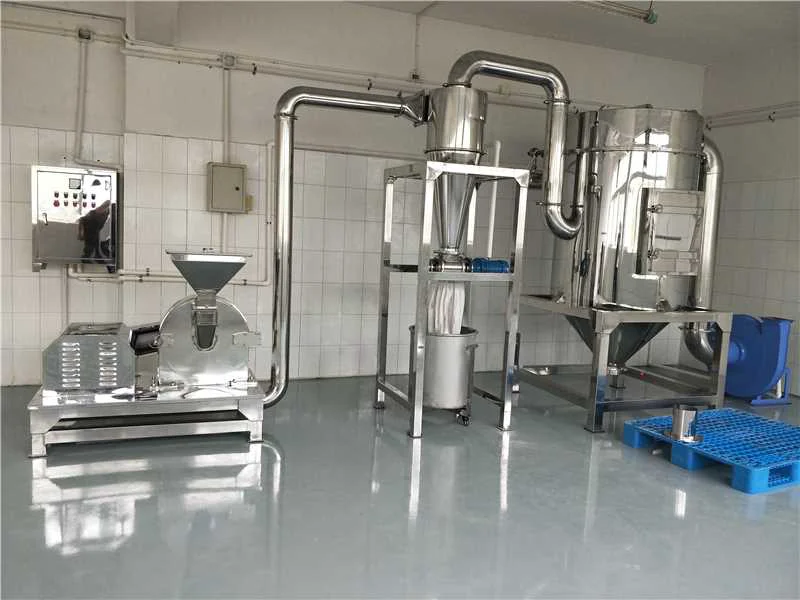
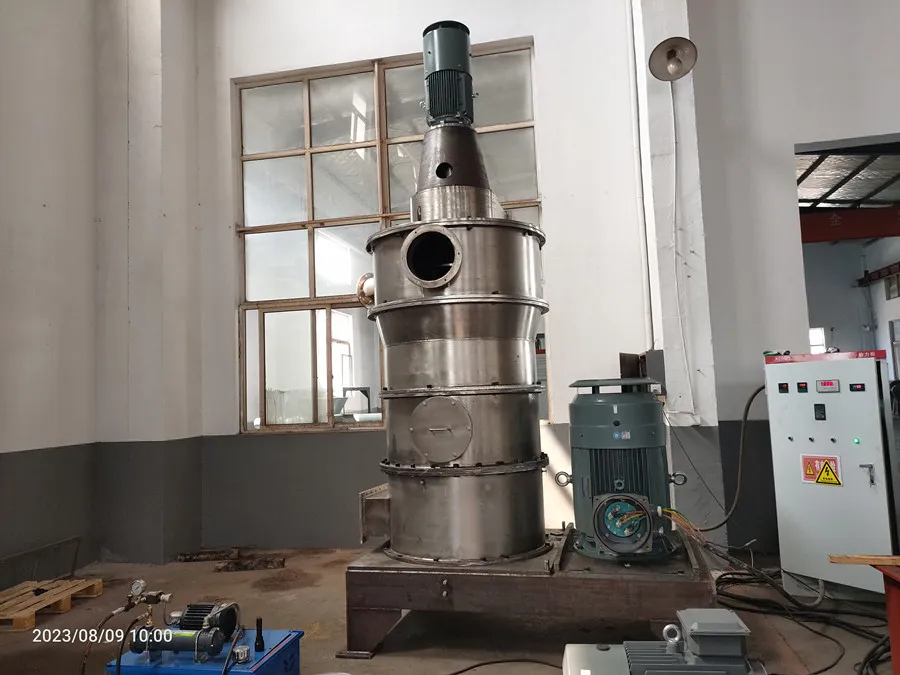
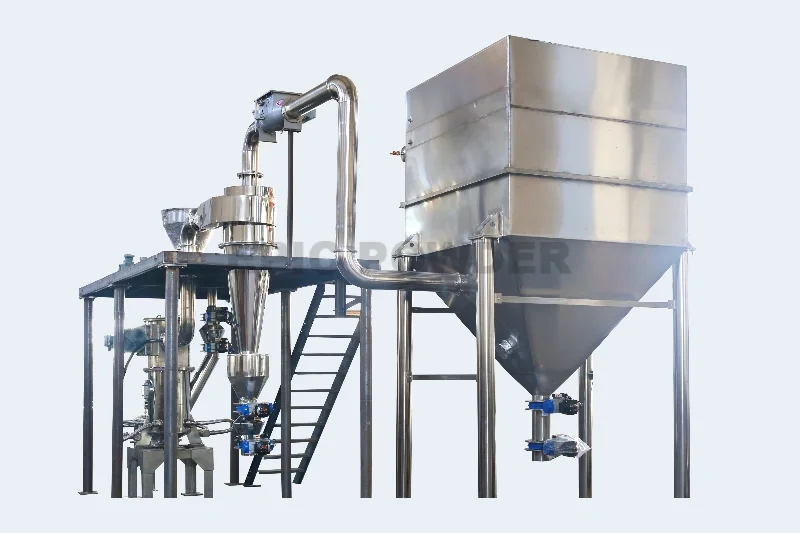
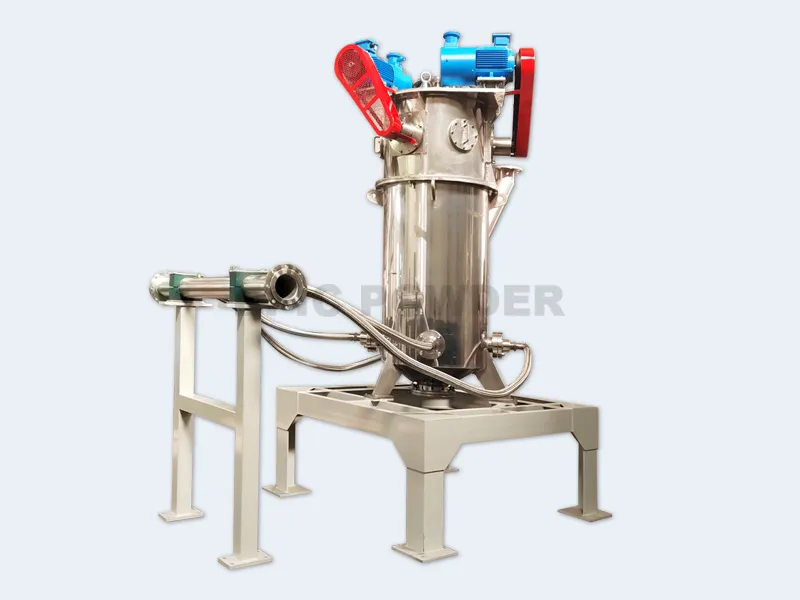
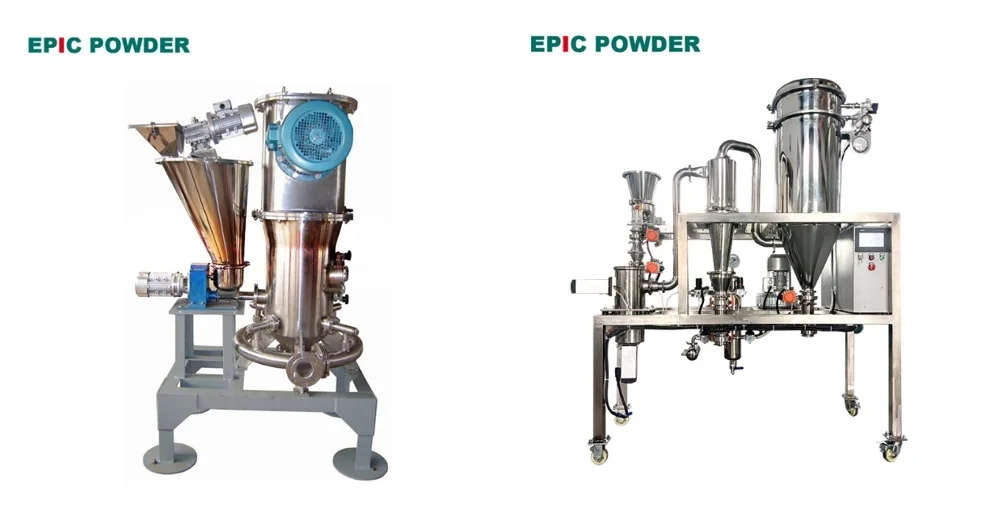
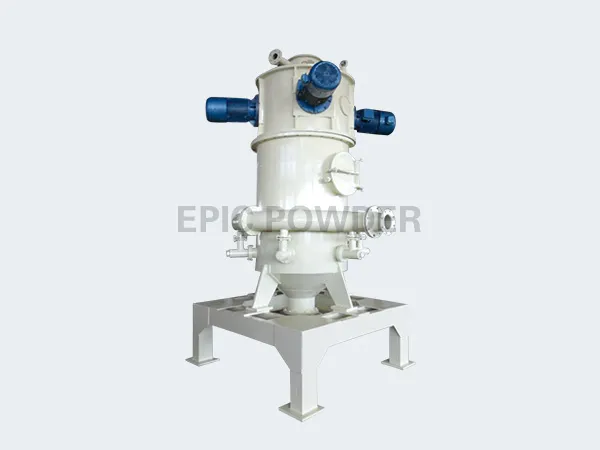
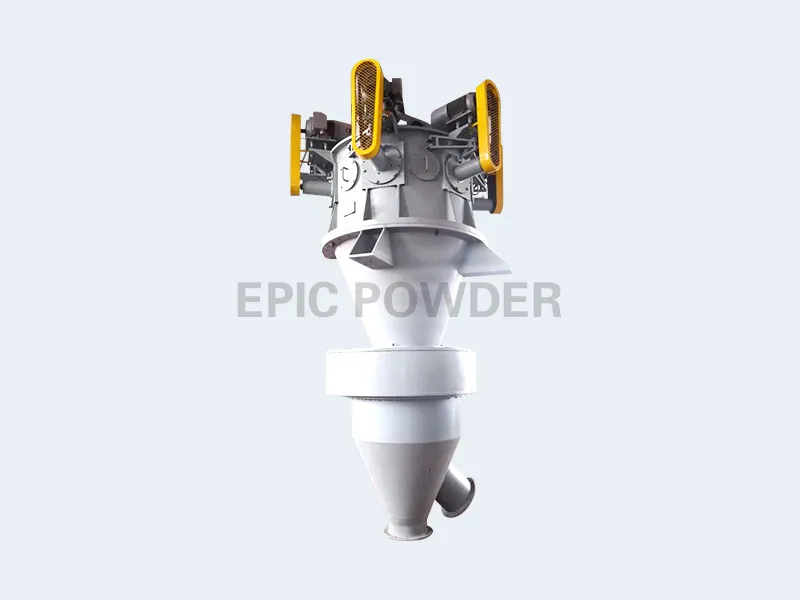
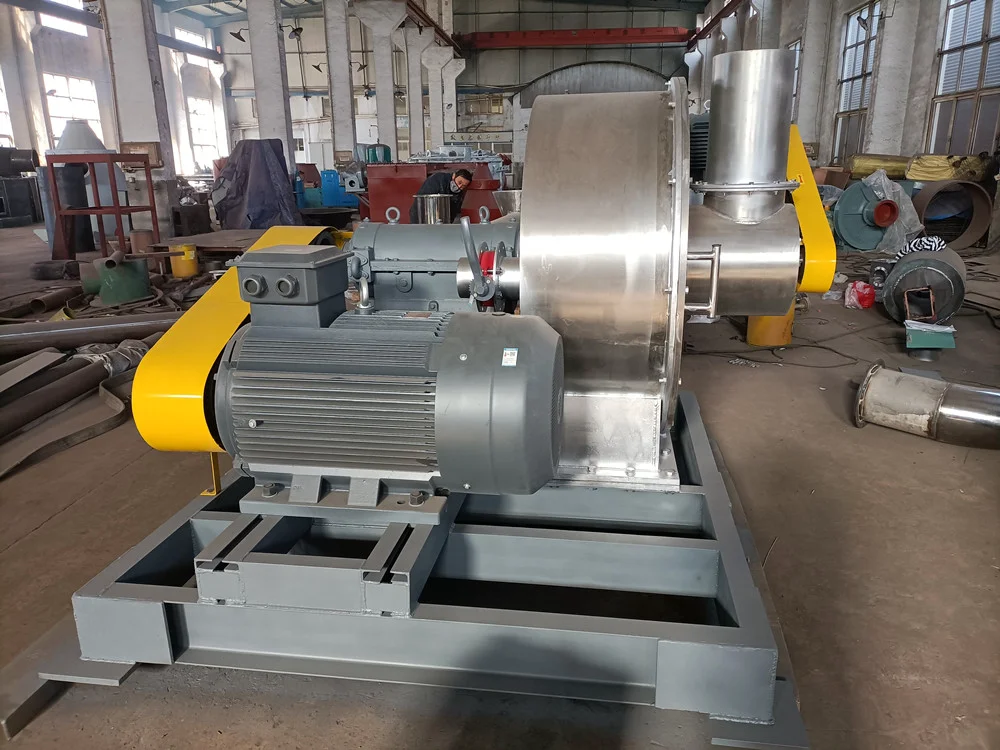
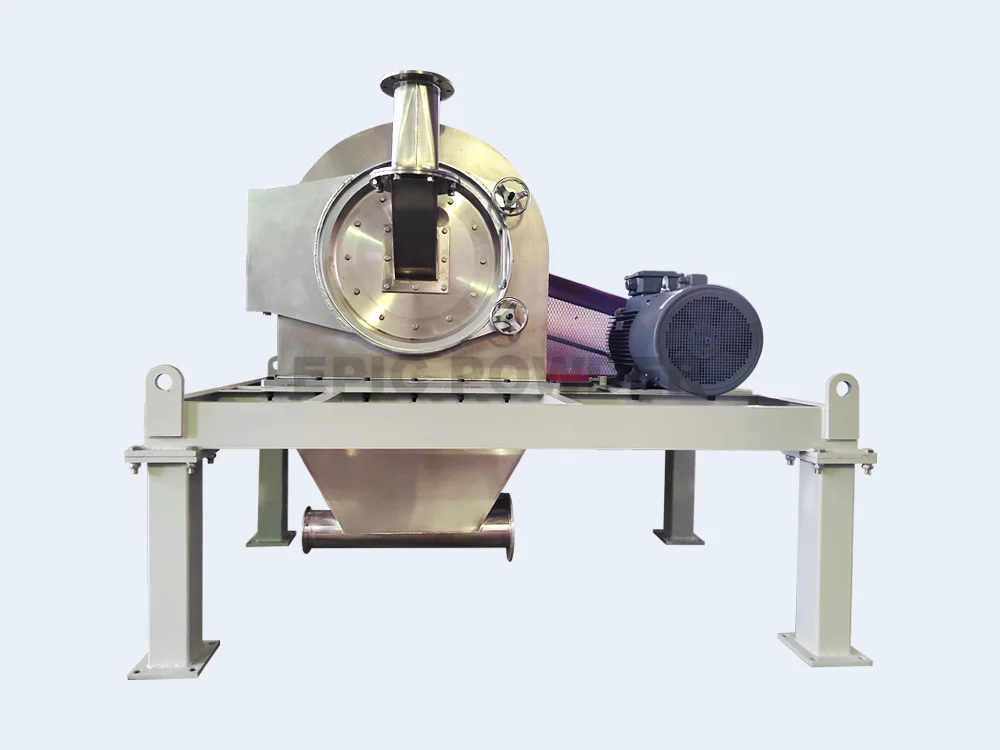
In addition to the mechanical and thermal resistance of the membrane, the key factors affecting the quality and safety of the battery also include chemical composition, the shape and particle size distribution of the active material, and the homogeneity of the battery. After continuous research and development, ALPA has a set of perfect lithium battery anode and cathode material processing scheme and equipment, which can meet the complex process requirements, including dust-free feeding, magnetic separation, ultra-fine grinding, classification, powder transport, metering packaging, automatic batching, intelligent control and other powder process integrated design.
Typical materials of cathode materials for lithium-ion batteries

  • LCO(Lithium Cobalt Oxide,LiCoO2
  • NCA(Lithium Nickel Cobalt Aluminum Oxide,LiNiCoAlO2
  • NMC(Lithium Nickel Manganese Cobalt Oxide,Li [NiCoMn] O2
  • LMO(Lithium Manganese Oxide,LiMn2O4
  • LFP(Lithium Iron Phosphate,LiFePO4
  • Lithium Carbonate(Li2CO3
  • Lithium Hydroxide(LiOH)

Introduction of anode materials for lithium-ion batteries

  • LCO(Lithium Cobalt Oxide,LiCoO2
  • NCA(Lithium Nickel Cobalt Aluminum Oxide,LiNiCoAlO2
  • NMC(Lithium Nickel Manganese Cobalt Oxide,Li [NiCoMn] O2
  • LMO(Lithium Manganese Oxide,LiMn2O4
  • LFP(Lithium Iron Phosphate,LiFePO4
  • Lithium Carbonate(Li2CO3
  • Lithium Hydroxide(LiOH)

Collaborating Clients

Project Cases

10-Micron Matcha Classifying Mill Grinding
Project Data Taiwan’s premium tea culture drives demand for ultra-fine matcha powders with tight particle-size distributions. Achieving a D50 near 10 μm while preserving aroma, ...
Read More →
Pin Mill MJL630-P
Mexico’s sugar industry provides a steady supply of granulated sugar for food, beverage, and pharmaceutical applications. Several downstream processes require a finer sugar powder with ...
Read More →
Impact Mill
In the past, rice husks were handled in a crude manner, mostly being burned or randomly piled. Burning rice husks emits harmful gases. These include ...
Read More →
ACM mill MJW-1000L
Overview of air classifier mill for rice husk grinding Project Data Material: Rice HuskMoisture Content: <5%Requirement: D50: 300 meshProduction Capacity: 200-250 kg/h Malaysia’s rice husk ...
Read More →

Related Posts

Fine Powder Grinding Mill
If you’re trying to produce ultrafine, high‑quality powder, choosing the right fine powder grinding mill can make or break your results. Maybe you need a tighter particle size distribution for ...
Read More →
jet pulverizer machine for micronization
What Is a Jet Pulverizer Machine? If you need consistent ultra-fine powder without contamination or heat damage, you’re looking for a jet pulverizer machine (also called a fluid ...
Read More →
Jet Mills
What Is Zinc Borate and Why Ultrafine Particle Size Matters Zinc borate is an inorganic compound widely used as a halogen-free flame retardant and smoke suppressant in ...
Read More →
jet mill
The rise of porous carbon—especially silicon-carbon composites—is reshaping the future of high-performance battery anodes. But here’s the catch: achieving ultra-fine, contamination-free particle sizes with preserved pore ...
Read More →
PE wax
You have an important choice when picking a Jet mill for PE wax. EPIC Powder’s Jet Mill MQW and the AS Spiral Jet Mill are ...
Read More →
air jet milling NdFeB
Understanding the Unique Challenges of NdFeB in Air Jet Milling When milling NdFeB (Neodymium-Iron-Boron) powder using an air jet mill, you’re dealing with a material ...
Read More →
Air classifier mill cost and ROI analysis
Struggling to pick the right air classifier mill for your operation? You’re not alone. Choosing poorly can lead to costly downtime, inconsistent particle sizes, and wasted energy. ...
Read More →
Jet Mill for NdFeB
If you’re working with NdFeB magnets and aiming for ultra-fine powders with minimal oxidation, then choosing the right air jet mill for NdFeB in 2025 is critical. The stakes ...
Read More →

We can provide processes and equipment that meet the following performance indicators

Fluidized Bed Opposed Air Jet Mil MQW240

Jet Mill

Suitable for grinding materials with high hardness, high purity and high added value.

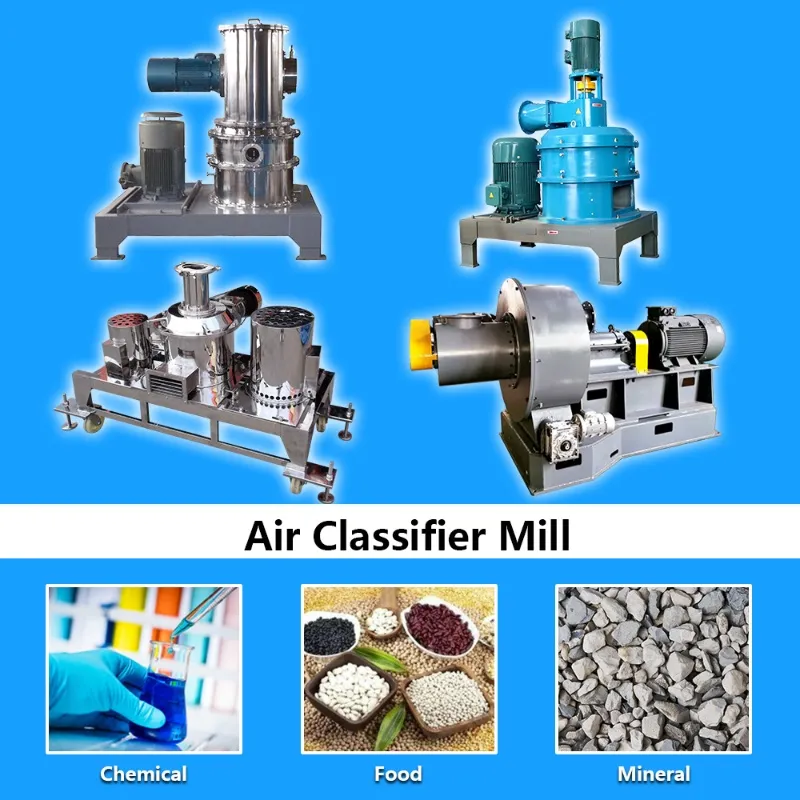
Air Classifying Mill

Integration of grinding and classifying

Air Classifier HTS

Air Classifier

Realize the separation of particles of different sizes

  • Available particle size D50:3~45μm.
  • Full ceramic protection, increased amount of metal <20ppb
  • Complete Closed-loop grinding system, moisture increase <100ppm
  • Hourly output of a single device can be more than 1000kg(1)
  • The linear speed of ceramic grinding disc and classifying wheel can reach 100m/s
  • Impact mill can directly replace jet mill to produce, single crystal NCM materials, saving 30%(2) of energy consumption.

Send Us A Message

    Please prove you are human by selecting the cup

    E-MAIL

    info@epic-powder.com

    PHONE

    +86 15762272120 Mon to Fri 08:00 am – 6:00 pm

    LOCATION

    NO. 369, Road S209, Huanxiu, Qingdao City, 266201, Shandong Province, CHINA

    en_USEnglish
    Scroll to Top