
Overview of Calcium Carbonate Grinding Plant
A high-performance calcium carbonate grinding plant transforms raw mineral stones into high-value industrial functional fillers. As a leading manufacturer of calcium carbonate powder pulverization production lines, we engineer complete turn-key processing systems designed to maximize output, optimize energy efficiency, and deliver exact particle size distributions for demanding global markets.
What is Calcium Carbonate Processing?
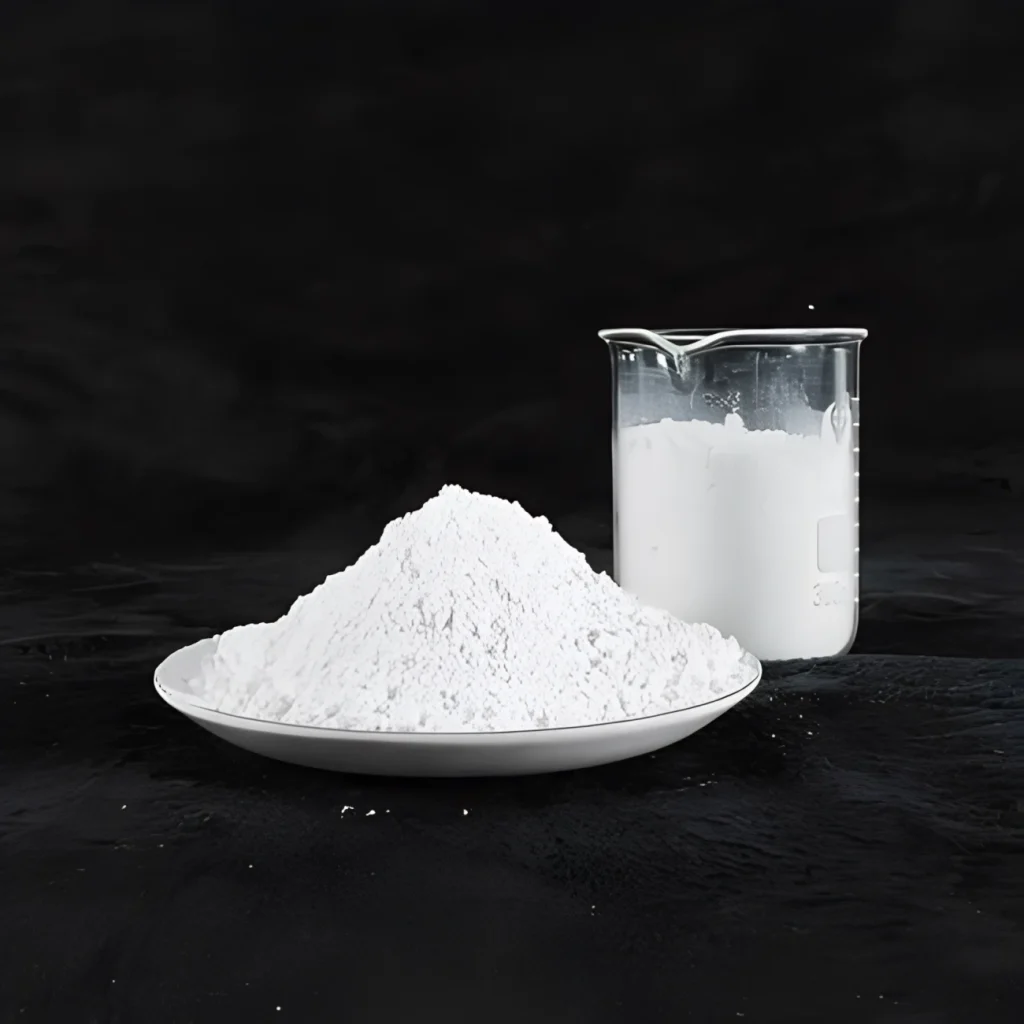
Calcium carbonate processing is the industrial process of refining raw calcite, limestone, or marble into micronized powder. The primary objective is reducing mineral particle sizes to specific mesh grades while maintaining high purity, brightness, and flowability.
- Crushing & Feeding: Breaking large quarry rocks down to feed size.
- Milling & Pulverizing: Reducing stone size down to fine and ultrafine particles.
- Air Classification: Separating oversized particles to guarantee strict D97 particle size distribution.
- Powder Handling: Efficient collection, surface coating modification, and automated packaging.
Main Types: Ground Calcium Carbonate (GCC) vs PCC
Industrial calcium carbonate is categorized into two distinct types based on the production method:
| Parameter | Ground Calcium Carbonate (GCC) | Precipitated Calcium Carbonate (PCC) |
|---|---|---|
| Manufacturing Process | Heavy mechanical grinding of natural minerals | Chemical synthesis via carbonation |
| Particle Structure | Natural, irregular, blocky morphology | Engineered crystal shapes (scalenohedral, prismatic) |
| Purity & Brightness | Dependent on raw stone quality (typically 90%–98%) | Very high purity and uniform brightness (>98%) |
| Processing Setup | Milling plant (Raymond mill, VRM, Ball mill line) | Chemical reactors, lime kilns, carbonation tanks |
| Main Industrial Uses | Plastics, masterbatches, paints, rubber, concrete | High-grade paper coatings, pharmaceuticals, sealants |
- GCC Processing: Relies heavily on mechanical grinding equipment. Our calcium carbonate grinding plant configurations offer high-capacity GCC processing with minimal energy consumption and lower total operational costs.
- PCC Processing: Requires chemical precipitation to control particle shape and chemical composition for specialized applications.
Complete Processing Flow of Calcium Carbonate Plant
A modern calcium carbonate grinding plant relies on a continuous, fully automated production circuit to turn raw calcite or limestone rocks into refined, market-ready powder. We design every stage of this circuit to minimize power consumption while maximizing product purity and operational efficiency.
Raw Material Crushing Stage
- Primary Reduction: Raw limestone or calcite rocks from the quarry are reduced in size using heavy-duty jaw or hammer crushers down to a uniform feed size (typically under 20–30 mm).
- Screening & Storage: Vibrating screens filter out oversized chunks, sending properly sized material into surge bins or storage silos for steady mill feeding.
Fine Grinding and Milling Stage
- Controlled Feeding: Electromagnetic or belt feeders deliver raw material to the grinding mill at an automated, steady rate to prevent chamber choking.
- Core Pulverization: Raw minerals undergo precise size reduction inside pulverization chambers equipped with wear-resistant grinding elements.
- Integrated Line Config: Following a proven calcium carbonate powder processing plant setup ensures stable material flow, low power draw, and consistent output quality.
Air Classification and Powder Collection
- Precision Sorting: High-efficiency air classifiers sort coarse particles from fine powders according to target particle size distributions (from 325 mesh up to 2500 mesh).
- Closed-Circuit Recycling: Oversized particles fall back into the grinding chamber for immediate re-milling, eliminating wasted raw material.
- Dust Collection: Pulse-jet bag filters gather the final fine powder and filter exhaust air with over 99.9% efficiency, keeping workshop conditions clean.
Surface Modification and Packaging
| Process Step | Action | Main Objective |
|---|---|---|
| Dosing & Heating | Adding coating agents (e.g., stearic acid) to dry powder under high heat. | Prepares particle surfaces for chemical bonding. |
| Surface Coating | Processing through specialized continuous modification machinery. | Enhances hydrophobic properties and poly-blend integration. |
| Bagging | Transferring finished product to automated packing systems. | Prepares valve bags, jumbo bags, or bulk transport loads. |
Applying targeted surface modification of calcium carbonate dramatically increases filler loading capacity, improves product strength, and boosts compatibility in plastic, masterbatch, and rubber formulations.
Main Grinding Mill Equipment Options
Selecting the core machinery for your calcium carbonate grinding plant directly dictates your target fineness, output volume, and long-term energy consumption. We engineer specialized milling equipment tailored to meet exact processing requirements.
| Equipment Type | Target Fineness (Mesh) | Capacity Range | Core Advantage |
|---|---|---|---|
| Raymond Mill | 80 – 400 mesh | 1 – 20 t/h | Low investment & compact layout |
| Vertical Roller Mill (VRM) | 325 – 2500 mesh | 5 – 40 t/h | High capacity & low power consumption |
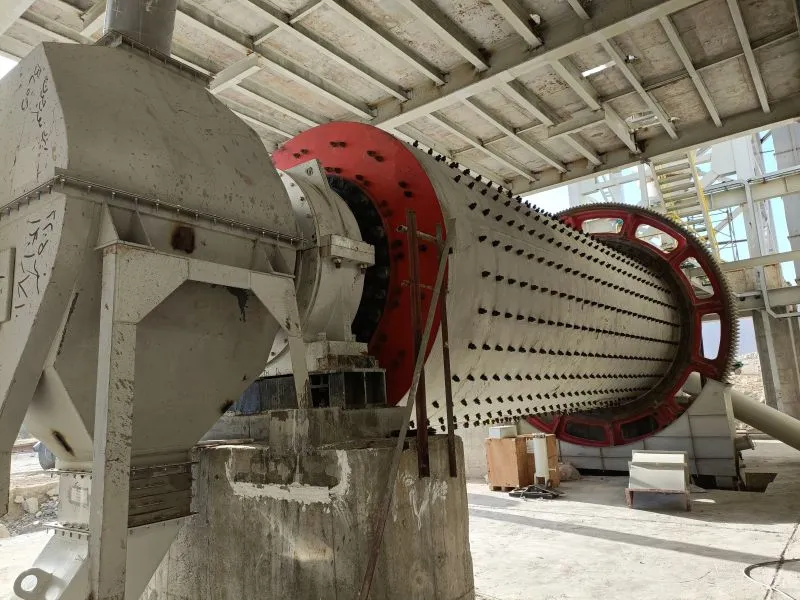
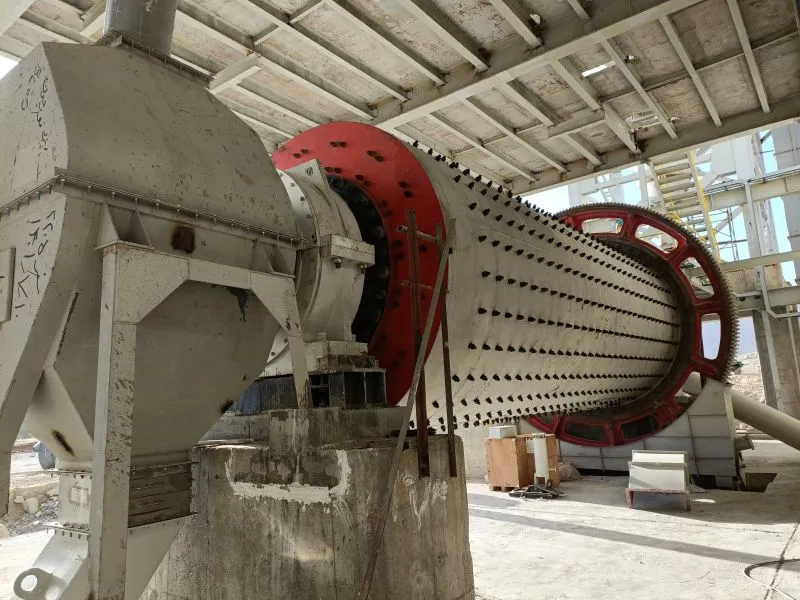
| Ball Mill + Classifier Line | 325 – 3000 mesh | 2 – 30 t/h | Continuous operation & long wear life |
| Ultrafine Micro Powder Mill | 325 – 2500 mesh | 0.5 – 12 t/h | Precise particle size & high-value output |
Raymond Mill for Coarse Powder Production
The traditional Raymond mill is a cost-effective solution for coarse and medium-grade calcium carbonate powder processing.
- Fineness: 80 to 400 mesh.
- Best For: Small to medium production lines supplying basic construction materials, rubber fillers, and agricultural lime.
- Benefits: Small footprint, simplified mechanical structure, low maintenance overhead, and quick return on investment.
Vertical Roller Mill for High-Capacity Processing
Vertical Roller Mills combine crushing, grinding, drying, and classifying into a single closed-loop system. They serve as the core driver for large-scale industrial plants.
- Fineness: 325 to 2500 mesh.
- Best For: High-tonnage processing plants requiring strict energy control and precise particle size control.
- Benefits: Cuts energy consumption by 30% to 40% compared to traditional grinding setups. Review our comprehensive calcium carbonate grinding mill guide to evaluate exact capacity models for high-efficiency production.
Ball Mill with Powder Classifier Line
Pairing a high-efficiency air classifier with a continuous ball mill forms a reliable system for producing narrow-distribution fine and ultrafine GCC powder.
- Fineness: 325 to 3000 mesh.
- Best For: Heavy-duty, 24/7 non-stop industrial manufacturing operations.
- Benefits: Extremely stable performance, high grinding media durability, and flexible adjustment of finished powder fineness.
Ultrafine Micro Powder Mill
When target markets demand premium-grade micronized powder for high-end applications, the ultrafine micro powder mill delivers high efficiency at reduced operational costs.
- Fineness: 325 to 2500 mesh (d_{97} le 5μ m capable).
- Best For: High-value additives used in breathable plastic films, high-gloss paints, masterbatches, and paper coatings.
- Benefits: Multi-layer roller grinding mechanism that maximizes contact area, ensuring high throughput even at extreme fineness levels.
Key Applications of Processed Calcium Carbonate Powder
Output from a high-efficiency calcium carbonate grinding plant serves as an essential functional filler across several major global manufacturing sectors. By delivering precise particle sizing and high whiteness, processed mineral powder significantly lowers raw material costs while boosting end-product performance.
Plastics, Polymer, and Rubber Industry
Finely ground calcium carbonate acts as a crucial performance modifier in polymer manufacturing:
- Mechanical Strength: Improves tensile strength, impact resistance, and rigidity in PVC pipes, profiles, and cables.
- Thermal Stability: Helps maintain dimensional accuracy during high-temperature extrusion and injection molding.
- Cost Reduction: Replaces expensive synthetic resins without compromising quality.
Integrating processed heavy calcium carbonate into thermoplastic masterbatches ensures superior dispersion and minimizes equipment wear during high-speed production.
Paper Manufacturing and Coating
In the paper industry, particle fineness and brightness determine the end product’s overall finish:
- Brightness and Opacity: Acts as a high-whiteness filler, replacing more costly kaolin and titanium dioxide.
- Printability: Surface coatings made with fine powder improve ink absorption, smoothness, and sheet uniformity.
- Alkaline Papermaking: Functions as a neutralizer, extending paper durability and preventing yellowing over time.
Paints, Inks, and Building Materials
Fine powder from our calcium carbonate grinding plant lines enhances rheology and durability in industrial formulations:
- Paints and Inks: Controls gloss, improves scrub resistance, and enhances hiding power in latex paints and printing inks.
- Dry-Mix Mortars: Improves workability and compressive strength in tile adhesives, grouts, and wall putties.
- Sealants and Rubber: Serves as a reinforcing agent in silicone sealants, joint compounds, and molded rubber items.
How to Choose the Right Calcium Carbonate Grinding Plant
Selecting the ideal calcium carbonate grinding plant comes down to balancing technical specifications with long-term profitability. We help clients worldwide evaluate their raw materials, target markets, and operational budgets to build processing lines that deliver consistent powder quality with minimal downtime.
Target Fineness and Mesh Size Requirements
Your end product’s target particle size dictates the type of mill you need. Different industries demand vastly different fineness levels, and picking the wrong setup leads to unnecessary energy waste or off-spec powder. Before choosing equipment, it is essential to understand your downstream application and learn how to https://www.powdergrindingmill.com/how-to-choose-suitable-calcium-carbonate-material-according-to-product-requirements/](https://www.powdergrindingmill.com/how-to-choose-suitable-calcium-carbonate-material-according-to-product-requirements/)”>choose suitable calcium carbonate material according to product requirements.
- Coarse Powders (200 – 400 Mesh): Best suited for construction materials, agricultural lime, and basic filler applications.
- Fine Powders (400 – 1250 Mesh): Ideal for paints, coatings, plastics, and paper manufacturing.
- Ultrafine Powders (1250 – 2500+ Mesh): Required for high-end polymer composites, specialty rubber, and premium paper coatings.
Production Capacity and Operational Costs
Balancing output volume with energy consumption directly impacts your cost per ton. We evaluate power consumption, classifier efficiency, and labor requirements to keep your operational expenses as low as possible.
| Target Mesh Size | Output Range | Recommended Mill Type | Energy Consumption |
|---|---|---|---|
| 200 – 400 Mesh | 5 – 30 t/h | Raymond Mill | Low |
| 400 – 1250 Mesh | 10 – 50+ t/h | Vertical Roller Mill (VRM) | Medium-Low |
| 800 – 2500 Mesh | 1 – 10 t/h | Ultrafine Micro Powder Mill | High |
Equipment Efficiency and Maintenance Considerations
To maximize uptime and ensure long-term ROI in your calcium carbonate grinding plant, focus on these critical operational factors:
- Wear-Resistant Components: Ensure grinding rollers, rings, and liners use high-chromium alloys to extend service life under continuous abrasive wear.
- Automated Controls: Intelligent PLC systems adjust air classification, feed rates, and system pressure in real time for uniform powder distribution.
- Modular Maintenance Design: Quick-access inspection doors and hydraulic opening mechanisms drastically reduce maintenance time during liner and roller replacements.
 English
  Spanish
  German
  French